Buy logistikunternehmen.eu ?
We are moving the project
logistikunternehmen.eu .
Are you interested in purchasing the domain
logistikunternehmen.eu ?
domain@kv-gmbh.de · 0541-91531010
Buy logistikunternehmen.eu ?
How does water transport work in plants?
Water transport in plants occurs through a system of specialized cells called xylem. Xylem cells are responsible for transporting water and minerals from the roots to the rest of the plant. This process is driven by transpiration, where water evaporates from the leaves, creating a negative pressure that pulls water up through the xylem. Additionally, the cohesion and adhesion of water molecules help maintain the continuous flow of water through the plant. Overall, water transport in plants is a crucial process for delivering essential nutrients and maintaining the plant's structure and function. **
What determines the spatial distribution of cultivated plants?
The spatial distribution of cultivated plants is determined by a combination of environmental factors, human decision-making, and historical agricultural practices. Environmental factors such as climate, soil type, and topography play a significant role in determining which plants can be successfully cultivated in a particular area. Human decision-making, including factors such as market demand, access to resources, and cultural preferences, also influences the spatial distribution of cultivated plants. Additionally, historical agricultural practices, including the introduction of new crops and the development of agricultural infrastructure, can shape the distribution of cultivated plants in a given region. **

Similar search terms for Plants
Top-Angebote
Products related to Plants:
-
Seasalt Wavecrest Short Sleeve Top Apothecary Plants ChalkThe Seasalt Wavecrest Short Sleeve Top Apothecary Plants Chalk flaunts short sleeves and a relaxed fit. A softly rounded collar and notch neckline give the organic cotton shirt a distinctive detail, and it is finished with a curved hem and small side slits for easy movement. In an original Seasalt print, inspired by Cornish landscape. Made from 100% Organic Cotton. Machine washable.25,00 £*Shipping: 3,50 £Secure redirect to the provider
-
DEVERA 2-Pack 5.2FT Artificial Areca Palm PlantsFeatures Space-enhancing foliage Creates vertical greenery for compact areas. Artificial green plant home decoration no watering living room decoration. Uv resistant and not easy to fade factory delivery.125,49 $*Shipping: 0,00 $Secure redirect to the provider




-
How can one transport indoor plants during a move?
When transporting indoor plants during a move, it's important to prepare them properly to minimize stress and damage. Start by gently removing the plants from their pots and shaking off excess soil. Then, wrap the roots in damp paper towels and place the plants in sturdy, ventilated boxes. Make sure the boxes are labeled as fragile and keep them in a climate-controlled area during the move to avoid extreme temperatures. Once you arrive at your new home, unpack the plants as soon as possible and give them some time to acclimate to their new environment. **
-
What are cruciferous plants, mint family plants, and leguminous plants?
Cruciferous plants are a group of vegetables that belong to the Brassicaceae family, including broccoli, cauliflower, cabbage, and kale. Mint family plants, also known as Lamiaceae family, include herbs like mint, basil, rosemary, and oregano. Leguminous plants are members of the Fabaceae family and are known for their ability to fix nitrogen in the soil, including beans, peas, lentils, and peanuts. Each of these plant families includes a variety of edible plants that are commonly used in cooking and gardening. **
-
How do plants regulate water transport in winter and spring?
Plants regulate water transport in winter and spring through a process called osmoregulation. During winter, plants reduce water loss by closing their stomata and decreasing transpiration. In spring, as temperatures rise and daylight increases, plants open their stomata to take in more water and nutrients for growth and photosynthesis. Additionally, plants may adjust the concentration of solutes in their cells to maintain water balance during changing environmental conditions. **
-
What is distribution logistics 2?
Distribution logistics 2 refers to the process of managing the movement and storage of goods from the point of production to the point of consumption. This includes activities such as transportation, warehousing, inventory management, and order fulfillment. Distribution logistics 2 also involves optimizing the supply chain to ensure that products are delivered to customers in a timely and cost-effective manner. This can involve using advanced technology and data analysis to improve efficiency and reduce costs. **

Which plants?
There are many different types of plants in the world, ranging from flowering plants like roses and tulips to trees like oak and pine. Other common plants include grasses, ferns, succulents, and vegetables like tomatoes and carrots. Each type of plant has unique characteristics and requirements for growth, making them diverse and interesting to study and cultivate. **
Why are many arctic plants long-day plants?
Many arctic plants are long-day plants because they have adapted to the long periods of daylight that occur during the Arctic summer. These plants have evolved to take advantage of the extended daylight hours for photosynthesis and growth. By being able to photosynthesize for longer periods of time, arctic plants can maximize their growth and reproductive potential during the short growing season in the Arctic. **
Top-Angebote
Products related to Plants:
-
RHS Propagating Plants: How to Create New Plants For Free (New Edition) - Non Fiction - Hardback DKFill your garden with beautiful plants for next-to-nothing Do you long to grow your own plants from scratch? This complete guide from the experts at the RHS will teach you how to propagate every type of plant. If you're a thrifty gardener who wants more plants for free, then this book is perfect for you! From fruit trees and ornamental shrubs to exotic orchids and succulents, get all the info you need to propagate 1,500+ garden plants. Crammed with hundreds of step-by-step tutorials and clear advice, ranging from straightforward and simple to more in-depth and challenging. The rating system in the plant-by-plant A-Z dictionaries provides you with a quick reference to the relative ease or difficulty of each method of propagation. How long do your seedlings need to germinate? What makes a healthy stem cutting? How do you know what type of rootstock to use when grafting plants? Find out the answer to these questions and more in the most comprehensive guide to propagating plants ever published.12,99 £*Shipping: 2,99 £Secure redirect to the provider
-
Seasalt Wavecrest Short Sleeve Top Apothecary Plants ChalkThe Seasalt Wavecrest Short Sleeve Top Apothecary Plants Chalk flaunts short sleeves and a relaxed fit. A softly rounded collar and notch neckline give the organic cotton shirt a distinctive detail, and it is finished with a curved hem and small side slits for easy movement. In an original Seasalt print, inspired by Cornish landscape. Made from 100% Organic Cotton. Machine washable.25,00 £*Shipping: 3,50 £Secure redirect to the provider
-
How does water transport work in plants?
Water transport in plants occurs through a system of specialized cells called xylem. Xylem cells are responsible for transporting water and minerals from the roots to the rest of the plant. This process is driven by transpiration, where water evaporates from the leaves, creating a negative pressure that pulls water up through the xylem. Additionally, the cohesion and adhesion of water molecules help maintain the continuous flow of water through the plant. Overall, water transport in plants is a crucial process for delivering essential nutrients and maintaining the plant's structure and function. **
-
What determines the spatial distribution of cultivated plants?
The spatial distribution of cultivated plants is determined by a combination of environmental factors, human decision-making, and historical agricultural practices. Environmental factors such as climate, soil type, and topography play a significant role in determining which plants can be successfully cultivated in a particular area. Human decision-making, including factors such as market demand, access to resources, and cultural preferences, also influences the spatial distribution of cultivated plants. Additionally, historical agricultural practices, including the introduction of new crops and the development of agricultural infrastructure, can shape the distribution of cultivated plants in a given region. **
-
How can one transport indoor plants during a move?
When transporting indoor plants during a move, it's important to prepare them properly to minimize stress and damage. Start by gently removing the plants from their pots and shaking off excess soil. Then, wrap the roots in damp paper towels and place the plants in sturdy, ventilated boxes. Make sure the boxes are labeled as fragile and keep them in a climate-controlled area during the move to avoid extreme temperatures. Once you arrive at your new home, unpack the plants as soon as possible and give them some time to acclimate to their new environment. **
-
What are cruciferous plants, mint family plants, and leguminous plants?
Cruciferous plants are a group of vegetables that belong to the Brassicaceae family, including broccoli, cauliflower, cabbage, and kale. Mint family plants, also known as Lamiaceae family, include herbs like mint, basil, rosemary, and oregano. Leguminous plants are members of the Fabaceae family and are known for their ability to fix nitrogen in the soil, including beans, peas, lentils, and peanuts. Each of these plant families includes a variety of edible plants that are commonly used in cooking and gardening. **
Similar search terms for Plants
-
DEVERA 2-Pack 5.2FT Artificial Areca Palm PlantsFeatures Space-enhancing foliage Creates vertical greenery for compact areas. Artificial green plant home decoration no watering living room decoration. Uv resistant and not easy to fade factory delivery.125,49 $*Shipping: 0,00 $Secure redirect to the provider
-
Plants Vs Zombies: Battle For Neighborville - Xbox, Used - GoodPlants vs. Zombies: Battle for Neighborville for PlayStation 4 takes the hilarious conflict between plants and zombies to a whole new level. Packed with quirky characters, unique abilities, and explosive gameplay, this action-packed third-person shooter invites players to team up or go solo in vibrant, wacky battles across expansive maps. Key Features ✔️ Dynamic Multiplayer Modes: Dive into intense 8v8 battles in Turf Takeover, test your skills in Team Vanquish, or play through objective-based missions. ✔️ Expansive Open-World Zones: Explore Giddy Park and roam freely in PvE areas like Weirding Woods and Mount Steep, filled with secrets and challenges. ✔️ Customizable Characters: Choose from 20 fully customizable plant and zombie classes, including new characters like the Night Cap and Electric Slide. ✔️ Split-Screen Co-Op: Play locally with a friend in split-screen co-op mode or join online multiplayer matches. ✔️ Unique Abilities: Each character class comes with special powers and weapons, letting you experiment with strategies and playstyles. ✔️ Stunning Graphics: Experience colorful, detailed environments and whimsical animations that bring Neighborville to life. ✔️ Seasonal Events: Enjoy themed events with special rewards, challenges, and unlockables throughout the year. ✔️ Solo and Team Play: Go solo in missions or join forces with friends in co-op or multiplayer modes. ✔️ Lighthearted Humor: Packed with the trademark charm and humor of the Plants vs. Zombies series. ✔️ Constant Updates: Regular content updates and improvements keep the action fresh and exciting. Plants vs. Zombies: Battle for Neighborville (PS4) delivers endless fun for players of all ages, blending chaotic battles with a charming, lighthearted atmosphere. Whether you're blasting foes as a peashooter or wreaking havoc as a zombie, the battle for Neighborville is always a blast. Grab your copy and join the action today!6,49 £*Shipping: 0,00 £Secure redirect to the provider
-
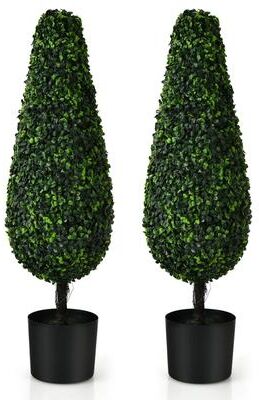
3ft Artificial Boxwood Tower Topiary Trees Decorative Greenery PlantsOur artificial greenery plants are as natural as they were, so lifelike that it is difficult to distinguish them from real flowers and plants. It could bring you fresh feeling from nature at any time of the year.202,99 $*Shipping: 0,00 $Secure redirect to the provider
-
How do plants regulate water transport in winter and spring?
Plants regulate water transport in winter and spring through a process called osmoregulation. During winter, plants reduce water loss by closing their stomata and decreasing transpiration. In spring, as temperatures rise and daylight increases, plants open their stomata to take in more water and nutrients for growth and photosynthesis. Additionally, plants may adjust the concentration of solutes in their cells to maintain water balance during changing environmental conditions. **
-
What is distribution logistics 2?
Distribution logistics 2 refers to the process of managing the movement and storage of goods from the point of production to the point of consumption. This includes activities such as transportation, warehousing, inventory management, and order fulfillment. Distribution logistics 2 also involves optimizing the supply chain to ensure that products are delivered to customers in a timely and cost-effective manner. This can involve using advanced technology and data analysis to improve efficiency and reduce costs. **
-
Which plants?
There are many different types of plants in the world, ranging from flowering plants like roses and tulips to trees like oak and pine. Other common plants include grasses, ferns, succulents, and vegetables like tomatoes and carrots. Each type of plant has unique characteristics and requirements for growth, making them diverse and interesting to study and cultivate. **
-
Why are many arctic plants long-day plants?
Many arctic plants are long-day plants because they have adapted to the long periods of daylight that occur during the Arctic summer. These plants have evolved to take advantage of the extended daylight hours for photosynthesis and growth. By being able to photosynthesize for longer periods of time, arctic plants can maximize their growth and reproductive potential during the short growing season in the Arctic. **
* All prices are inclusive of VAT and, if applicable, plus shipping costs. The offer information is based on the details provided by the respective shop and is updated through automated processes. Real-time updates do not occur, so deviations can occur in individual cases. ** Note: Parts of this content were created by AI.